
Blog

The Homeowner’s Guide to Smarter Residential Roofing Choices
The Homeowner’s Guide to Modern Residential Roofing
Introduction to Today’s Residential Roofs
Homeowners are paying closer attention to how a roof is planned, built, and maintained. From shingle technology to ventilation details, modern roofing practices emphasize durability, energy performance, and curb appeal. Whether you’re scheduling routine maintenance or planning a roof installation, understanding core concepts helps you communicate clearly with a roofing contractor and make confident decisions. Many homeowners also search phrases like roofing near me when it’s time to compare options and review local expertise.
Seasonal Factors and Regional Weather
Climate drives material selection and installation details. In regions with freeze-thaw cycles, proper underlayments and ice barriers are critical defenses against water intrusion. Coastal or storm-prone areas benefit from impact-rated shingles and secure fastening patterns. Heat and sun exposure call for reflective options and balanced attic ventilation to reduce thermal stress. Discuss local weather patterns with roofing contractors to ensure your system is designed for real-world conditions rather than one-size-fits-all assumptions.
Material Choices and Performance
Asphalt shingles remain popular for their balance of affordability, style, and reliable performance. Metal panels have grown in visibility thanks to long service life and energy efficiency. Synthetic and composite products provide design flexibility while resisting moisture and warping. No matter the material, a successful roof installation pairs quality components with correct flashing, starter strips, ridge caps, and compatible sealants. Ask your roofing company to explain how each part of the system works together, including underlayments and ventilation paths.
Ventilation, Insulation, and Attic Health
Attic conditions can make or break a roof. Adequate intake and exhaust ventilation help move warm, moist air out of the attic, minimizing condensation and reducing the risk of premature shingle aging. Proper insulation levels support indoor comfort and can help moderate energy use. When insulation and ventilation are balanced, shingles stay cooler, decking remains dry, and structural components last longer. A knowledgeable roofing contractor will evaluate soffit vents, ridge vents, and baffle placement before recommending upgrades.
Maintenance That Extends Service Life
Routine care preserves warranties and performance. Schedule seasonal inspections to catch small issues early—loose flashing, lifted shingles, or clogged gutters can escalate if overlooked. Trim back overhanging branches to reduce debris and abrasion. After severe storms, a quick check by qualified roofing contractors can identify subtle damage before moisture has a chance to spread. Documenting maintenance can also be helpful if you ever need to file a material or workmanship claim.
Checklist for Hiring the Right Pro
1) Verify licensing and insurance: Confirm coverage and the ability to perform Roofing Services in your area.
2) Review local references: Ask for nearby addresses or photos that demonstrate consistent workmanship.
3) Request clear scope and materials: Ensure the contract lists product lines, underlayment types, flashing details, and disposal plans.
4) Discuss ventilation strategy: A thorough pro will explain intake, exhaust, and attic airflow improvements.
5) Understand warranties: Clarify the difference between manufacturer and workmanship protections.
6) Ask about site safety and cleanup: Good crews protect landscaping, manage nails, and leave the property tidy.
Understanding Project Timing and Communication
Successful projects start with realistic timelines and steady updates. Weather can shift schedules, so build in flexibility and maintain regular contact with your roofing company. Establish points of communication for material delivery, tear-off timing, and daily wrap-ups. If unexpected decking issues appear during a roof installation, a transparent process helps you approve changes confidently and keep the project on track.
Conclusion: Plan, Vet, and Maintain
Thoughtful planning, careful contractor selection, and consistent maintenance are the keys to a longer-lasting roof. Start with reliable guidance, compare options as you review roofing near me search results, and choose a roofing contractor who prioritizes detail over shortcuts. With the right partnership and a focus on system-based solutions, your roofing investment can protect your home beautifully for years to come.

Homeowner’s Guide to Lasting Roof Performance and Value
What Homeowners Should Know About Modern Residential Roofing
The Role of Materials and Design
Today’s residential roofing systems are built to balance curb appeal, weather protection, and energy efficiency. Shingles, metal panels, and specialty options each respond differently to sun, wind, and moisture. When planning a roof installation, think about local climate and roof pitch, plus attic ventilation and insulation. Proper airflow reduces heat buildup and moisture, helping materials hold up better over time. A reputable roofing contractor can explain how vents, underlayment, and flashing all contribute to a dependable system rather than just a surface layer.
Why Workmanship Matters as Much as Materials
Premium shingles or panels won’t perform if they’re installed without attention to detail. Valleys, penetrations, and edges are the spots most likely to leak, so precision at these points is vital. Skilled roofing contractors follow manufacturer specifications and use high-quality fasteners and sealants. They also stage the project to prevent water intrusion during weather changes. When neighbors search for roofing near me, they’re often seeking pros who prioritize craftsmanship, protect landscaping, and communicate clearly about the schedule and scope.
Seasonal Care and Preventive Maintenance
Even tough materials benefit from regular checkups. After severe storms, look for lifted shingles, dented vents, or displaced ridge caps. Keep gutters clean so water can move away from fascia and foundations. Trim branches that scrape or overhang the roof, and watch for moss or algae where shade lingers. Periodic inspections by a trusted roofing company can catch small issues—like cracked boots around plumbing stacks—before they lead to interior stains or damaged sheathing. Thoughtful maintenance extends service life and preserves home value.
Red Flags That Call for Prompt Attention
Not all roof problems are dramatic. Subtle clues—such as granules accumulating in gutters, dark streaks near flashing, or daylight peeking through attic boards—suggest it’s time to call a roofing contractor. If shingles curl or lose adhesion, wind can lift them more easily. On metal systems, look for loose fasteners or failing sealant at seams. A timely repair can prevent escalating damage to decking, insulation, and drywall. Homeowners seeking roofing near me should choose professionals who document conditions with photos and outline clear next steps.
A Smart Path to Roof Installation Success
A successful roof installation is a coordinated process that starts with planning and ends with a thorough cleanup. Clear communication about materials, ventilation, flashing details, and disposal keeps the project on track. Reliable roofing contractors will explain how each layer works and confirm that the finished system aligns with local codes and manufacturer guidelines.
Numbered List: Key Steps for a Durable Roofing Project
1. Assessment: Begin with a full roof and attic review to identify ventilation gaps, moisture signs, and structural concerns.
2. Material Selection: Match shingles or metal to local weather patterns, roof pitch, and style preferences while considering warranty terms.
3. System Design: Specify underlayment, drip edge, flashing, and ridge vents so the roof functions as an integrated system.
4. Installation Practices: Ensure correct nailing patterns, sealed penetrations, and properly formed valleys to resist wind and water.
5. Site Protection: Safeguard landscaping, use magnet sweeps for nails, and maintain tidy staging areas throughout the job.
6. Final Inspection: Verify flashing, ventilation balance, and debris removal; document details and maintenance recommendations.
Choosing the Right Partner for Roofing Services
When comparing providers, ask about training, photos of similar projects, and manufacturer-backed warranties. Look for a roofing company that explains options without high-pressure tactics and that offers written scopes with clear timelines. Local references matter, as climate and building styles vary from one region to the next. Whether you’re planning a targeted repair or a full roof installation, a knowledgeable team can help you balance budget, durability, and aesthetics.
Closing Thoughts
Residential roofing is more than shingles on a deck; it’s a system built to manage water, airflow, and temperature. With quality materials, skilled workmanship, and steady upkeep, homeowners can protect their investment and feel confident through every season. If you’re evaluating roofing contractors or searching for roofing near me, focus on proven craftsmanship and transparent communication to get lasting results.
Weather-Smart Roofing: How Homeowners Can Make Better Choices Year-Round
Building a Longer-Lasting Roof in a Four-Season Climate
Homeowners in the Mid-Atlantic face a unique mix of scorching summers, freeze-thaw winters, and windy spring storms. Each season puts different pressures on roofing systems, which is why durable materials, expert workmanship, and consistent upkeep matter. Thoughtful decisions today can prevent moisture intrusion, premature shingle wear, and high energy bills tomorrow—especially when a trusted roofing contractor guides the process from inspection to final clean-up.
Seasonal Stresses on a Roof
Sun and heat can dry out sealants, curl aging shingles, and accelerate granule loss. In winter, snow loads and ice dams trap moisture at the eaves, forcing water beneath the surface. Spring and fall storms add gusty winds and wind-driven rain to the mix, exposing weak flashing and unclamped edges. Understanding these stressors helps prioritize improvements, from upgraded underlayments to better attic ventilation that moderates temperature swings and reduces condensation.
Materials That Make a Difference
Shingle technology continues to advance. Architectural asphalt shingles offer layered profiles for better wind resistance and curb appeal. Impact-rated options help safeguard against hail and debris. On suitable homes, metal panels provide excellent longevity, strong weather shedding, and reflective finishes that may help reduce heat gain. Beneath the surface, ice-and-water barriers at valleys and eaves, synthetic underlayments that resist tearing, and corrosion-resistant fasteners strengthen the overall assembly. A knowledgeable roofing company will also match ridge vents and intake vents to create balanced airflow, protecting the deck and insulation.
The Role of Professional Installation
Quality materials only perform as designed when properly integrated. Precise nailing patterns, straight courses, and correctly lapped underlayments create a watertight system. Flashing details around chimneys, skylights, and sidewalls are equally critical; small errors here lead to big leaks later. A licensed roofing contractor with proven residential experience can evaluate the deck, recommend appropriate accessories, and ensure that roof installation follows manufacturer specifications. This approach preserves warranties and maximizes long-term value.
Preventive Maintenance Essentials
A quick checkup each season reveals small issues before they become major repairs. Homeowners should consider:
- Clearing debris from valleys and gutters to keep water moving
- Watching for lifted edges, missing shingles, or exposed fasteners
- Inspecting attic spaces for damp insulation, staining, or daylight at penetrations
- Verifying that soffit and ridge vents are unobstructed
- Trimming back branches that rub or drop heavy limbs during storms
If climbing a ladder isn’t safe or practical, search phrases like roofing near me can help locate local experts who perform safe, thorough inspections from the ground, eaves, and attic.
When Repairs Can’t Wait
Storm damage, persistent drips, or sudden water stains call for immediate attention. Timely tarp placement, flashing adjustments, and shingle replacements prevent secondary damage to sheathing, drywall, and flooring. Skilled roofing contractors can also advise when spot repairs make sense versus when a more comprehensive replacement is the smarter investment, considering roof age, deck condition, and ventilation. Prompt action preserves indoor comfort, protects structural components, and keeps minor problems from spiraling into costly restorations.
A resilient roof is the product of smart material choices, careful craftsmanship, and steady maintenance. With a trusted local roofing company providing clear recommendations and dependable service, homeowners can navigate each season with confidence and keep their homes dry, efficient, and attractive for years to come.
Homeowner’s Guide to Durable Roofing: Expectations for Working with a Local Expert
The residential roofing landscape continues to evolve as homeowners prioritize longevity, energy efficiency, and storm resilience. With shifting weather patterns and rising material choices, it pays to understand the process from evaluation to warranty. Whether exploring asphalt shingles or metal panels, a thoughtful plan and a reputable roofing contractor can make all the difference. For many homeowners considering a timely roof installation, clarity about materials, ventilation, and workmanship standards helps ensure a roof that performs well for years.
Materials and Weather Considerations
Choosing the right system often starts with local climate. In regions with frequent wind, impact-rated shingles or sturdy metal can add peace of mind. In hot, sunny areas, reflective surfaces may help manage attic temperatures. Moisture is another key factor: proper underlayment, flashing details, and ridge venting reduce risks from driving rain or ice. A roofing company that understands neighborhood conditions can recommend combinations that fit the home’s architecture and your long-term goals without pushing unnecessary upgrades.
What Quality Roof Installation Involves
A precise roof installation does more than replace old shingles. It unifies decking, water-shedding layers, flashing, and ventilation. The following steps illustrate a typical quality-driven process that roofing contractors emphasize for durable results:
1) Thorough inspection of decking to verify structural soundness and address soft spots before new materials go down.
2) Correct underlayment selection and layout for secondary moisture protection along eaves, valleys, and penetrations.
3) Careful flashing integration around chimneys, skylights, sidewalls, and vents to direct water away from vulnerable joints.
4) Consistent fastener patterns and sealant use aligned with manufacturer guidelines to maintain warranty coverage.
5) Balanced intake and exhaust ventilation that supports healthy airflow, mitigating heat and moisture buildup in the attic.
6) Clean, safe site practices and end-of-day protection to keep interiors and landscaping shielded from debris or unexpected weather.
Finding a Trustworthy Roofing Company
When comparing bids, homeowners often notice wide differences in scope and clarity. A dependable roofing company explains material options, shows proof of insurance, and lists exactly what is included in the work. Ask for photos or references from similar homes. Local options for roofing near me can be convenient for scheduling and follow-up, but never choose on proximity alone. Compare written proposals line by line, and confirm how project changes are handled before work begins.
Permits, Codes, and Insurance
Compliance matters. Local codes specify installation methods, ventilation minimums, and ice barrier requirements in certain climates. Licensed roofing contractors typically secure permits where required and schedule inspections as needed. Verifying liability coverage protects both homeowner and crew. If your home insurer has guidelines for roof replacement, align documentation with their requirements to avoid claims trouble later.
Maintenance and Warranties That Matter
Even the best roofing benefits from periodic checks. After severe storms, a quick visual scan for missing shingles, displaced flashing, or clogged gutters can prevent small issues from spreading. Keep nearby branches trimmed to reduce abrasion and remove organic debris that traps moisture. Understand warranty terms: manufacturer coverage applies to materials, while workmanship guarantees address installation quality. A trusted roofing contractor will outline how to keep coverage valid, including ventilation standards and approved accessory components.
The Bottom Line on Residential Choices
Upgrading roofing is a strategic investment that balances appearance, protection, and energy considerations. By focusing on proper planning, verified credentials, and methodical practices, homeowners can expect consistent performance from a well-executed roof installation. Take time to compare materials, confirm code compliance, and partner with roofing contractors who communicate clearly and respect your home. With these steps, your next project can deliver reliable value, greater curb appeal, and confidence when storms roll through.
Residential Roofing Innovations That Protect, Perform, and Look Great
Why Material Choice Matters
The right roofing system balances curb appeal, longevity, and climate performance. Asphalt shingles remain popular for their value and color variety, while modern metal panels offer exceptional durability and energy reflectivity. Before any roof installation, consider wind ratings, impact resistance, and fire classifications relevant to your neighborhood. Lighter-colored surfaces can reduce attic temperatures in sunny regions, and high-definition shingle profiles add depth to traditional homes. No matter the style, quality underlayment and correct fasteners are as important as the surface material itself, ensuring the assembly works as a cohesive shield.
Ventilation and Insulation Work Together
A healthy roof depends on steady airflow and consistent thermal control. Balanced intake and exhaust ventilation prevents heat and moisture buildup, reducing risks like shingle curling, ice dams, and mildew. Pair that with sufficient attic insulation to limit heat transfer, stabilize indoor comfort, and support energy efficiency. Proper baffles maintain clear air channels from soffit to ridge, and sealed penetrations keep humid air out of the attic. When a roofing contractor evaluates a home, they should assess vents, insulation depth, and air sealing as part of a whole-house approach rather than an isolated fix.
Underlayment and Flashing Are Nonnegotiable
Beneath the surface, underlayment and flashing do critical work. Synthetic underlayments provide tear resistance and reliable coverage, especially on lower slopes. Ice and water barriers add extra protection in valleys and along eaves where meltwater can back up. Around chimneys, skylights, and wall intersections, properly lapped and sealed flashing prevents capillary leaks that might go unnoticed for months. Even robust materials struggle if details are rushed, which is why many homeowners look to experienced roofing contractors to execute each transition with precision and to follow manufacturer specifications that keep warranties intact.
Smart Maintenance Schedules
A well-planned maintenance routine extends service life and helps avoid surprise repairs. Seasonal inspections catch minor issues early and preserve both aesthetics and performance. Consider a routine that includes:
- Clearing debris from valleys and gutters to keep water moving
- Checking seals around vents and pipe boots
- Trimming overhanging branches to prevent abrasion and shade-related moss
- Spotting loose shingles, popped nails, or rust on fasteners
- Verifying that attic vents remain unobstructed
Choosing a Local Pro
Selecting a trusted roofing company makes a visible difference in craftsmanship and accountability. Look for transparent assessments, detailed scopes of work, and clear timelines. Ask about material options, ventilation plans, and how the crew protects landscaping and cleans up the site. Homeowners often start by searching for roofing near me, but the best choice is a contractor with verifiable references, certifications, and strong safety practices. A reputable roofing contractor will recommend solutions that fit the home’s architecture and climate rather than a one-size-fits-all approach. From timely repairs to planned roof installation, the process should be grounded in communication, documented workmanship standards, and proven materials that work well together.
The Bottom Line on Lasting Roof Performance
Today’s residential roofing emphasizes integrated systems: durable surfaces, smart ventilation, robust underlayments, and attention to flashing details. Pair those fundamentals with proactive maintenance and careful selection among local roofing contractors, and the result is a longer-lasting, better-looking roof that supports comfort and value. With thoughtful planning and an eye for detail, homeowners can enjoy resilient protection overhead—season after season.
Smart Choices for Today’s Residential Roofing: From Materials to Maintenance
Modern Home Roofing: What to Know Before the First Shingle Goes On
Homeowners have more options than ever when it comes to roofing, and that can make decisions feel overwhelming. Understanding how materials, climate, installation practices, and maintenance strategies work together will help protect the home and boost curb appeal. Whether comparing shingle types or evaluating a roofing contractor, a little planning goes a long way toward a durable result.
Materials That Match the Climate
The roof is the home’s first line of defense, so materials should align with regional weather. Asphalt shingles remain popular for their balance of performance and style, with designs that handle typical seasonal swings. Metal panels deliver strong wind resistance and shed snow efficiently. Underlayment and flashing choices matter just as much; these components channel water away from vulnerable areas and support the visible layer. When people start searching phrases like roofing near me, they usually find that material recommendations may vary by neighborhood microclimates, tree cover, and roof pitch.
Ventilation and Attic Health
Even the best shingles struggle if the attic runs too hot or traps moisture. Effective intake and exhaust ventilation moves air through the roof assembly, helping manage humidity and temperature. This supports shingle longevity and can reduce ice dam risk in colder seasons. Pairing proper ventilation with well-placed insulation helps maintain consistent indoor comfort. A thoughtful approach ensures a roof installation performs as designed, rather than aging prematurely due to hidden heat buildup.
Choosing a Roofing Contractor
Selecting the right professional can be as important as selecting the right materials. A reputable roofing company should explain options clearly, outline a step-by-step plan, and answer questions before the first tear-off begins. As homeowners evaluate roofing contractors, consider the following:
1) Local experience: Crews familiar with area weather and building codes can anticipate common challenges.
2) Detailed proposals: Look for clear scope descriptions, materials listed by brand and model, and timelines.
3) Safety practices: Proper fall protection, site cleanliness, and debris control protect people and property.
4) Communication: Regular updates keep schedules on track and reduce surprises.
5) Warranty clarity: Understand coverage for materials and workmanship, including how to file a claim.
6) References and photos: Past projects demonstrate consistency and craftsmanship.
What to Expect During Roof Installation
A well-coordinated roof installation follows a predictable sequence. Preparation starts with protecting landscaping and setting up disposal for old materials. Next comes a careful tear-off, revealing the deck for inspection and any necessary repairs. Underlayment and flashings are installed to channel water, followed by shingles or panels laid to manufacturer specifications. Valleys, ridges, and penetrations receive special attention to prevent leaks. Throughout the process, a conscientious roofing contractor keeps the site tidy and ensures fasteners, sealants, and ventilation components are placed correctly. At the end, a walkthrough confirms details, and the crew performs a thorough cleanup.
Aftercare and Maintenance Tips
A roof’s job doesn’t end after the last ridge cap is set. Seasonal checkups help catch small issues before they turn into costly repairs. Trim overhanging branches, clear gutters, and look for lifted edges after storms. Inside the home, watch for stains on ceilings or in attic spaces, which can indicate developing leaks. Many homeowners browsing for roofing near me eventually learn that keeping records—photos, dates of inspections, and minor fixes—supports warranty claims and resale value.
Finding the Right Fit
The best match is a roofing company that aligns with a homeowner’s priorities: quality materials, attentive service, and workmanship that follows industry standards. Comparing multiple roofing contractors, asking informed questions, and reviewing written proposals brings clarity. With the right plan and partner, roofing becomes more than a protective layer—it becomes a lasting upgrade to the home’s performance and appearance.
In the end, thoughtful choices about materials, ventilation, and professional installation build confidence that the roof overhead will stand up to the seasons while looking good year after year.

Seasonal Strategies Every Homeowner Should Know for Durable Roofing
Homeowner’s Guide to Seasonal Roofing Care
A durable roof protects the structure, safeguards interiors, and adds curb appeal. As seasons shift, small actions taken at the right time can extend service life and prevent water intrusion. Whether you’re comparing materials or planning a future roof installation, understanding how weather impacts surfaces and components is essential. Many homeowners start with a quick search like roofing near me, but knowing what to look for can make that search far more productive.
Understanding Material Choices
Material affects performance, look, and maintenance routines. Asphalt shingles remain a popular choice for their balance of value and reliability. Metal systems offer notable longevity and shed snow efficiently when properly detailed. No matter the selection, quality underlayment, ventilation, and flashing details are just as critical as the visible surface. A reputable roofing contractor will explain how each layer works together to manage heat, moisture, and wind.
Why Licensed Pros Matter
Licensed, insured roofing contractors bring training, safety practices, and manufacturer-aligned methods to every project. That professional foundation helps prevent callbacks and preserves eligibility for material warranties. Experienced crews also spot hidden concerns—like soft decking, inadequate intake and exhaust vents, or aging flashing—that can undermine even the best shingles. When evaluating a roofing company, ask how crews manage tear-off, protect landscaping, and stage materials to avoid overloading the structure.
Preparing for Roof Installation
Planning ahead reduces stress and supports smooth scheduling. Clear the driveway for deliveries, move patio furnishings, and secure items in the attic to catch dust during work. Discuss start times and estimated durations with your roofing contractor and verify how inclement weather will be handled. If solar panels or skylights are involved, coordination with those specialists before the roof installation ensures clean transitions and watertight finishes.
Maintenance Essentials Through the Year
Seasonal attention keeps minor issues from developing into leaks. In spring and fall, walk the property to inspect from the ground with binoculars. Look for missing granules at downspouts, curled edges, or exposed nails. Trim back branches to prevent abrasion. Confirm gutters are clear so runoff moves away from fascia and foundations. After severe storms, a quick visual check for lifted shingles and loose flashing can reveal problems early.
How to Choose a Local Pro
Local expertise matters because building codes, weather patterns, and typical architectural styles vary by region. Many homeowners read reviews, ask neighbors, and contact several roofing contractors before deciding. Look for clear proposals that outline materials, ventilation plans, flashing specifications, and cleanup. Confirm proof of insurance and licensing, and request references for similar projects and styles. Your final choice should communicate proactively and set expectations around timing, crew size, and site protection.
Key Inspection Points Before Calling the Pros
Check attic ventilation: Warm, moist air needs a path out. Balanced intake and exhaust reduce ice dam risk and shingle aging.
Examine flashing: Areas around chimneys, skylights, and sidewalls are frequent leak sources. Staining or gaps signal attention is needed.
Review gutters and downspouts: Proper slope and secure hangers prevent overflow that can back up under shingles.
Look at shingle surfaces: Bald spots, cracks, or uplift suggest wind or UV wear. Focus on ridges and roof edges.
Assess tree proximity: Overhanging limbs shed debris and shade surfaces, slowing drying after rain.
Note interior clues: Ceiling stains, musty odors, or peeling paint often point to slow moisture intrusion.
Observe fasteners and sealants: Exposed nail heads or failing sealant around penetrations deserve prompt repair.
Energy and Ventilation Considerations
Ventilation and attic insulation work together to stabilize indoor comfort and help the roof last longer. Proper airflow minimizes condensation in colder months and reduces heat load during summer. A knowledgeable roofing company will evaluate intake at soffits and exhaust at ridges or other approved vents, then suggest improvements that align with material requirements and local code.
Final Thoughts
From selecting materials to scheduling roof installation and planning seasonal upkeep, a thoughtful approach makes a tangible difference. Start with a careful assessment, gather multiple proposals from established roofing contractors, and choose a partner who explains options clearly. With consistent maintenance and guidance from a reputable roofing contractor, homeowners can keep roofing systems performing reliably, season after season.
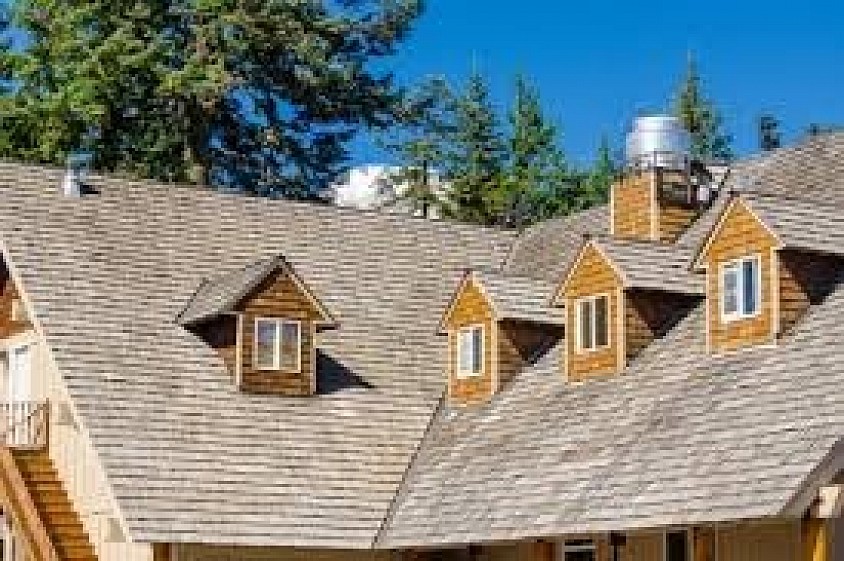
Homeowner’s Guide to Choosing a Roofing Contractor: Materials, Warranties, and Seasonal Timing
Residential Roofing Landscape: What Homeowners Should Know
Homeowners face a lot of decisions when it comes to roofing, from selecting materials to understanding warranties and timing the work. With weather swings, aging homes, and evolving building codes, the path to a durable, energy-aware system starts with clear information. The right roofing contractor will match materials, ventilation, and flashing details to the home’s design and local conditions while keeping communication open from estimate to cleanup.
Materials and Regional Climate Considerations
Asphalt shingles remain a top choice for many neighborhoods due to cost range, curb appeal, and steady performance. Metal panels have earned attention for longevity and lightweight strength. In regions with hail, high winds, or heavy snow, impact ratings, wind uplift standards, and proper underlayment matter as much as the outer layer. A reliable roofing company will explain how ridge caps, starter courses, and ice barriers work together to defend vulnerable areas like eaves, valleys, and penetrations.
Selecting a Roofing Contractor and Verifying Accountability
Quality outcomes begin with the people on the roof. Look for roofing contractors who provide transparent scope descriptions, proof of insurance, and written workmanship terms. Good estimators don’t rush; they assess decking, attic ventilation, and flashing before quoting. If you’ve searched for roofing near me and pulled up a handful of options, compare how each contractor handles site protection, dumpster placement, and daily debris removal. Professionalism on the ground usually reflects craftsmanship above it.
Understanding Roof Installation and Ventilation Basics
Roof performance depends on more than shingles. Proper roof installation aligns starter rows, nail placement, and sealing with manufacturer guidelines. Equally important, intake and exhaust ventilation balance temperatures in the attic, helping manage moisture and reduce ice dam risk in colder months. When soffit vents are blocked or exhaust fans are undersized, even premium shingles can age faster than expected. Experienced crews also integrate drip edge, step flashing, and counterflashing to move water away from seams and siding.
Maintenance, Repairs, and Seasonal Timing
Small problems rarely stay small on a roof. After severe weather, a quick inspection can catch lifted tabs, missing sealant, or cracked boots before leaks appear inside. Spring and fall often provide stable conditions for repairs and replacements, though dependable teams can adapt schedules around safe weather windows. Keep landscaping and driveways in mind; a courteous roofing contractor will discuss how to protect planting beds and minimize disruption.
Key Questions to Ask Before Signing
What is included in your Roofing Services, and can I see the full written scope with materials, underlayments, and flashing details?
How do you handle ventilation calculations, and will you document intake and exhaust changes if needed?
What workmanship coverage do you provide, and how do manufacturer warranties apply to this specific system?
Who supervises the crew each day, and how will you communicate progress and any unforeseen decking issues?
How will you protect my property, manage cleanup, and confirm nail sweep completion at the end of the project?
What is the plan for weather delays, and how do you secure the home if work is paused?
Can you provide recent local references for similar roofs and photos of completed projects?
Budgeting, Permits, and Long-Term Value
Permits and local code requirements influence material choices and fastening patterns. A trustworthy roofing company will explain municipal steps and schedule inspections as needed. While price matters, long-term value often comes from precise installation, correct ventilation, and careful flashing—not just the shingle brand. When comparing bids, line up apples to apples: underlayment types, ridge vents, pipe boots, and cleanup protocols should all be spelled out.
Final Thoughts on Finding the Right Fit
For many homeowners, the search starts with roofing near me and a list of promising names. Narrow the field by looking for clear communication, transparent scopes, and photos of tidy worksites. Whether you choose asphalt or metal, the combination of sound design, proper roof installation, and an accountable roofing contractor will pay off for years. Strong materials matter, but the expertise of roofing contractors—and how they manage details at every edge and penetration—often makes the biggest difference.
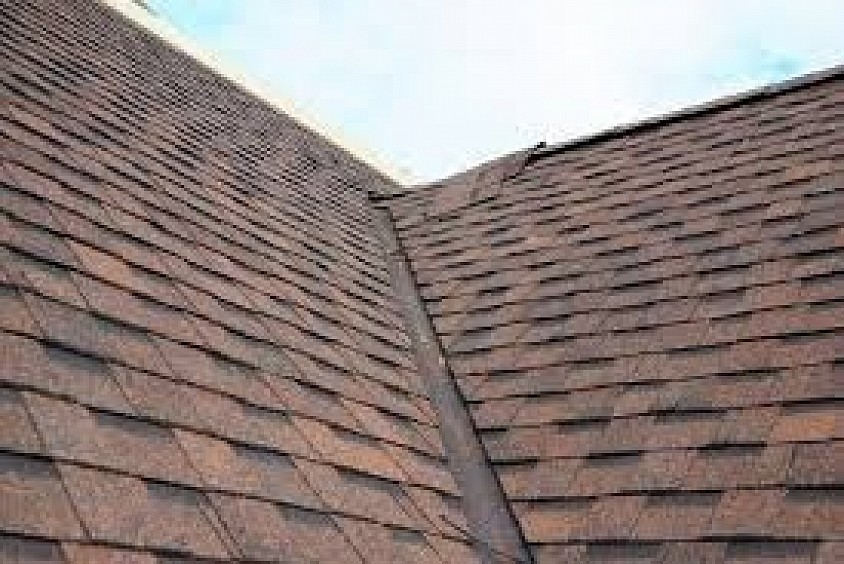
The Homeowner’s Guide to Seasonal Roof Care
Understanding regional weather patterns
Roofs endure sun, wind, rain, ice, and debris year-round, and each season can stress materials in different ways. Spring often reveals winter damage, from lifted shingles to compromised flashing. Summer heat can accelerate shingle granule loss and bake sealants. Fall brings leaf buildup that traps moisture. Winter ice dams threaten eaves and gutters. Thoughtful roofing care starts with anticipating these cycles and adjusting maintenance routines to match local conditions.
Choosing the right materials for durability
Material selection influences performance, longevity, and maintenance needs. Asphalt shingles remain a popular choice for their balance of cost, appearance, and proven performance. Metal panels offer excellent shedding of snow and rain, resist wind uplift, and can reduce heat absorption with reflective finishes. Underlayment matters as much as the top layer—synthetic underlayments improve moisture resistance and walkability, while ice and water barriers at eaves and valleys add crucial protection. When planning a roof installation, factor in ventilation, attic insulation, and flashing design to support the chosen system.
Spotting early warning signs
Small issues escalate quickly when exposed to weather. Keep an eye out for:
Shingle curling, cracking, or missing tabs
Excess granules in gutters or at downspout exits
Rusted or loose flashing around chimneys, skylights, and vents
Stains on interior ceilings or attic sheathing
Soft spots on decking or sagging along ridgelines
Proactive inspections—especially after storms—help catch problems before they require extensive repairs. If you’re unsure what you’re seeing, consult a trusted roofing contractor to assess the condition safely and thoroughly.
Optimizing ventilation and energy performance
Balanced intake and exhaust ventilation reduce attic heat and moisture, improving comfort and extending shingle life. Inadequate airflow can cook shingles from beneath in summer and promote condensation in winter. Paired with proper attic and roof insulation, good ventilation supports energy efficiency and helps prevent ice dams. Ridge vents with continuous soffit intake often deliver even airflow; gable vents and mechanical solutions may supplement in some homes. A qualified roofing company can evaluate existing airflow paths and recommend improvements that align with your roof’s design.
Planning maintenance that pays off
Routine care keeps systems watertight and reliable. Build a simple plan that includes seasonal checks, minor repairs, and gutter upkeep. Prioritize safety by using sturdy ladders, non-slip footwear, and harnesses where appropriate, or rely on reputable roofing contractors for elevated tasks. A thoughtful schedule might include:
Spring: Inspect flashing, reseal exposed fasteners, and clear winter debris
Summer: Check ventilation performance and monitor sun-exposed slopes
Fall: Clean gutters and valleys, trim overhanging branches, and verify attic insulation
Winter: Watch for ice dams and clear heavy snow safely when needed
When to seek professional help
Some fixes are straightforward, but structural concerns, complex flashing, and multi-story access are best handled by experienced crews. If you find persistent leaks, widespread shingle damage, or deteriorated decking, bring in a local expert. Searching for roofing near me can help you compare experience, product options, and warranty coverage. A seasoned roofing contractor will explain the scope clearly, recommend materials suited to your climate, and provide workmanship assurances that protect your investment.
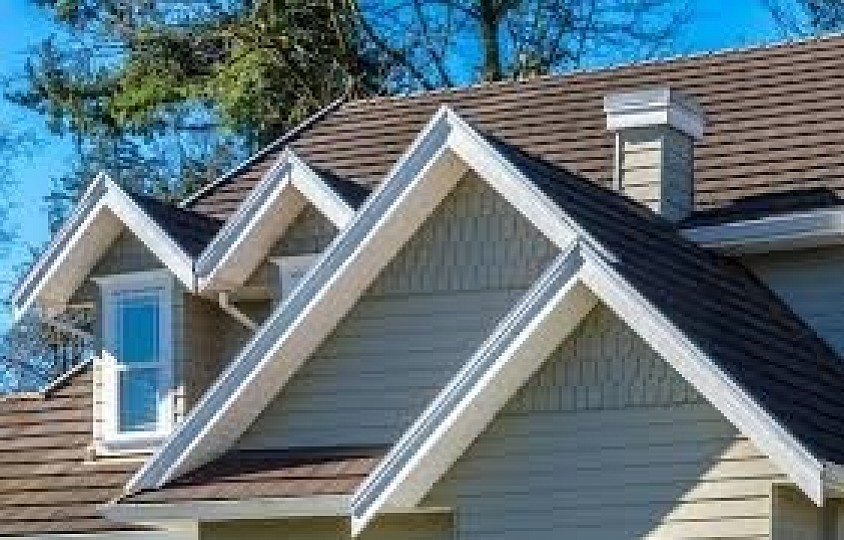
Homeowner’s Guide to Smarter Roofing Decisions This Year
Understanding Today’s Residential Roofing Landscape
Homeowners face a range of choices and challenges when it comes to roofing, from selecting long-lasting materials to choosing a trustworthy roofing contractor. With weather patterns growing less predictable, the stakes are higher for protection, ventilation, and durability. Thoughtful planning, careful product selection, and clear communication with roofing contractors can make the process smoother and the results stronger.
Materials and Performance Matter
Asphalt shingles remain a popular option for their balance of value, style, and proven performance. Metal panels and standing-seam systems continue to gain traction for their longevity and energy reflection. Underlayment quality, proper flashing at penetrations, and attention to attic ventilation often determine how well a roof installation performs over time. Homeowners benefit from discussing these layers in detail before signing a proposal with any roofing company.
Planning a Roof Installation the Right Way
A well-executed roof installation is not just about nailing shingles. It starts with a thorough assessment, including deck condition, ventilation analysis, and water-shedding design at valleys and eaves. Ice and water barriers at vulnerable areas, sealed flashings around chimneys, and correctly sized ridge vents help prevent recurring issues. Ask your roofing contractor to explain how each component will be integrated and how debris will be managed during the job to protect landscaping and siding.
Vetting a Roofing Company Locally
Choosing a roofing company with established local roots can streamline everything from scheduling to warranty service. Neighbors often discuss roofing near me in community groups, and those conversations can uncover real experiences with response times and workmanship. Look for clear, written scopes of Roofing Services, product options from reputable manufacturers, and straightforward timelines. Reliable roofing contractors should be transparent about permits, safety practices, and how they handle unforeseen deck repairs.
Maintenance That Extends Roof Life
Even a top-tier system needs ongoing attention. Seasonal inspections can catch early signs of trouble like lifted shingles, cracked boots, or blocked intake vents. Keep gutters clear to prevent water backing under edges, and trim nearby branches that can scrape surfaces or drop debris. After high winds or hail, a quick check by a qualified roofing contractor can help document conditions and guide next steps.
Key Steps for a Smooth Project
A successful project depends on preparation and communication. Consider the following checklist when coordinating with roofing contractors:
Confirm scope and materials: Clarify shingles or panels, underlayment type, flashing metals, ventilation approach, and ice barrier placement.
Review ventilation strategy: Balanced intake and exhaust reduce moisture, limit ice dams, and support shingle warranties.
Establish jobsite protection: Ask how tarps, plywood, and magnet sweeps will protect siding, plants, and driveways.
Discuss cleanup and waste: Verify dumpster placement, daily cleanup routine, and final magnet pass for stray fasteners.
Align on schedule and weather plans: Understand start dates, rain contingencies, and how weather delays will be communicated.
Document warranty details: Get material and workmanship terms in writing, along with how to request service.
Plan for attic access: If needed, protect belongings and ensure safe access points for ventilation adjustments.
Warranties, Paperwork, and Peace of Mind
Good documentation helps the system deliver on its promise. Keep copies of material specs, color selections, ventilation calculations, and warranty registrations. Clear records simplify future service and resale conversations, and they reflect a professional approach to Roofing Services. If questions arise years later, you’ll have everything needed to evaluate options confidently.
Closing Thoughts
Roofing is one of the most important investments in a home’s protection and comfort. By focusing on proven materials, best-practice installation, and routine maintenance, homeowners can avoid headaches and stretch every dollar further. Whether you’re researching a future project or preparing for work this season, steady communication with a qualified roofing contractor and a detail-driven roofing company will help ensure the roof installation performs as intended and looks great for years.
Durable Residential Roofing: What Homeowners Should Know
Residential Roofing Trends and Best Practices
Homeowners are paying closer attention to the systems that protect their investment, and roofing sits at the top of that list. Choosing materials, planning a careful roof installation, and partnering with a trustworthy roofing contractor all shape how long a roof performs. With steady advances in products and methods, now is a smart time to review what makes a dependable system and how to evaluate Roofing Services without guesswork.
Materials That Match Local Climate
The best roof is the one that fits regional weather. Asphalt shingles remain popular for their balance of cost, durability, and style options, while metal panels offer strong performance against wind and rapid temperature shifts. Impact-rated options help where hail is a concern, and high-reflectance surfaces can temper summertime heat. When discussing choices with roofing contractors, ask how each product handles freeze-thaw cycles, UV exposure, and wind uplift. A roofing company that understands microclimates can recommend underlayments, fasteners, and flashings that reinforce vulnerable areas like eaves, valleys, and penetrations.
Proper Roof Installation Principles
A roof performs only as well as it’s installed. Proper deck preparation, straight and secure starter courses, and carefully lapped underlayments create a watertight base. Flashing at chimneys, skylights, and sidewalls must be formed and sealed with precision. Balanced intake and exhaust keep airflow steady, helping materials last longer. A seasoned roofing contractor will also stage the job to protect landscaping, manage debris, and verify fastener patterns meet manufacturer and code requirements. These fundamentals are what separate a lasting roof installation from one that struggles prematurely.
Ventilation, Insulation, and Energy
Ventilation and insulation work together to stabilize attic temperatures and humidity. Adequate intake at the eaves paired with ridge or roof vents moves warm, moist air out, limiting condensation that can damage sheathing. Complementary insulation reduces heat transfer into living spaces, supporting consistent comfort. In winter, proper airflow helps minimize ice dams by keeping roof surfaces more uniform in temperature. Ask roofing contractors how they assess existing ventilation and what improvements they recommend to align with manufacturer guidelines.
Maintenance That Extends Service Life
Maintenance is preventative care, not a reaction to leaks. Small, regular checks catch issues before they grow, preserving curb appeal and performance over time. Homeowners can follow a simple plan:
Inspect from the ground seasonally for missing shingles, lifted edges, or exposed fasteners.
Keep gutters and downspouts clear to prevent water backing under edges.
Trim branches that can abrade surfaces or drop debris.
Check flashing areas after major storms for movement or sealant wear.
Address moss or algae with approved cleaners to avoid granule loss.
Schedule a professional assessment after hail, heavy wind, or whenever a change is noticed.
These steps support what a roofing company will do during more detailed evaluations, helping spot concerns early.
Storm Readiness and Repair Strategy
Weather turns quickly, and readiness helps reduce damage. Photograph the roof and exterior periodically so you have a baseline for any future claim. After a storm, walk the property to note dents on metal components, displaced shingles, or shingle granules collecting at downspouts. Avoid walking on the roof if conditions are unsafe. Contact a local roofing contractor for a documented inspection and to prioritize repairs in the correct order: temporary drying-in, flashing corrections, then surface restoration. Clear communication and written scopes protect both workmanship and warranty coverage.
Finding a Trusted Roofing Contractor
When searching for roofing near me, focus on proven experience, manufacturer credentials, and clear, written proposals. Ask for proof of insurance, references, and photos of similar projects. A reliable provider of Roofing Services will explain product differences, ventilation strategy, and how they protect the property during work. Look for transparency on timelines, disposal, and cleanup, along with warranty terms from both the manufacturer and the installer. The right partner helps ensure the roofing system is built to perform and supported for the long haul.
The strongest roofs combine suitable materials, careful roof installation,
and steady upkeep—backed by roofing contractors who stand behind their craft. With informed choices, homeowners can secure dependable performance and lasting value.
Home Roofing Trends That Improve Performance and Curb Appeal
Materials That Stand Up to Local Weather
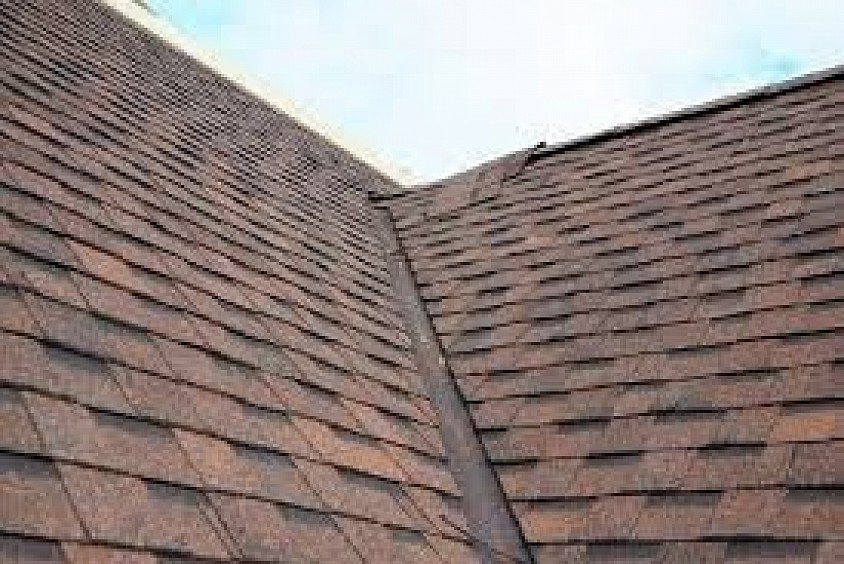
Homeowners are paying closer attention to materials that balance durability, efficiency, and style. Architectural asphalt shingles remain the top choice for many because they provide a strong blend of value and longevity. Metal accents—such as standing-seam sections over porches or bay windows—are also on the rise, offering modern lines and excellent shedding of rain and snow. Whatever the selection, coordinating underlayments, ice barriers, and flashing systems is essential to keep water out and protect the deck. A thoughtful approach to roofing pairs material quality with proper detailing so the investment performs season after season.
Smarter Ventilation and Attic Strategies
Roof performance depends on more than shingles. Proper intake and exhaust ventilation move heat and moisture out of the attic, helping prevent ice dams, warped decking, and premature shingle aging. Balanced systems often combine continuous soffit vents with ridge vents to create steady airflow. Insulation also matters: adequate attic and roof insulation supports consistent indoor temperatures and reduces strain on HVAC systems. Together, ventilation and insulation enhance comfort, cut energy waste, and support a longer service life for roofing in every climate.
What Quality Roof Installation Looks Like
Even premium shingles can underperform without skilled workmanship. A quality roof installation starts with a thorough inspection of the deck, replacement of damaged sheathing, and secure fastener placement per manufacturer guidelines. Flashing around chimneys, skylights, and sidewalls should be fitted snugly and sealed to direct water away from vulnerable joints. Valleys need reinforced underlayment and precise shingle alignment to manage concentrated runoff. Finally, clean jobsite practices—magnet sweeping, debris removal, and clear communication—signal care and professionalism from start to finish.
Maintenance Habits That Extend Lifespan
Routine care can add years to a roof’s service life while preserving curb appeal. Simple steps include:
Clearing gutters and downspouts so water flows freely
Trimming overhanging branches to reduce abrasion and moss
Checking flashing and seals after major storms
Removing debris from valleys and low-slope areas
Scheduling periodic inspections with local roofing contractors
These basics help catch small problems before they grow, support warranties, and keep your home protected through changing seasons.
When to Call a Local Roofing Contractor
It can be tricky to know when to repair or replace. Missing shingles, granule loss, recurring leaks, and sagging areas are red flags that deserve prompt attention. If your roof is nearing the end of its expected lifespan, a professional assessment can clarify options and timing. Searching for roofing near me can connect you with a nearby roofing contractor who understands regional codes, weather patterns, and best practices. The right roofing company will offer clear estimates, product choices tailored to your goals, and transparent timelines. As you evaluate proposals, focus on licensing, insurance, references, and manufacturer credentials. A reputable team aligns craftsmanship with quality materials, giving homeowners confidence that their roofing will stand strong for years.

Resilient Roofing for Four-Season Homes
Homeowners in the Mid-Atlantic know that a dependable roof is a year-round priority. From driving spring rains to winter freeze-thaw cycles, a well-planned approach to roofing safeguards comfort, efficiency, and home value. Understanding how materials, ventilation, and upkeep interact helps you make smart decisions, whether you’re comparing shingle options or scheduling a roof installation with a trusted roofing contractor.
Weather and Material Choice
Climate should guide material selection. Architectural asphalt shingles remain a favorite for their balance of cost, curb appeal, and durability. In areas with wide temperature swings, shingles with high-impact and algae resistance perform well. Metal panels shed snow efficiently and handle wind gusts effectively when properly fastened. Whichever system you choose, ask roofing contractors about underlayment upgrades, ice barriers along eaves, and enhanced ridge details that reinforce high-stress zones.
Ventilation and Insulation
Balanced attic ventilation works hand in hand with insulation to regulate temperature and moisture. Without adequate airflow, heat builds beneath the deck in summer, aging shingles prematurely. In winter, trapped moisture can condense, encouraging mold and weakening sheathing. A well-designed system pairs continuous soffit intake with ridge or roof vent exhaust. Insulation completes the equation by reducing heat loss, limiting ice dam formation, and improving indoor comfort.
Preventive Maintenance Calendar
Small issues become big headaches when left unchecked. Build a simple, seasonal routine:
- Spring: Inspect flashing, valleys, and penetrations; clear gutters and downspouts after pollen and seed drop.
- Summer: Check for blistering or lifted shingle tabs; confirm adequate attic airflow on hot days.
- Fall: Remove leaves from roof surfaces and gutters; verify seals around vents and the chimney before cold sets in.
- Winter: After storms, look for ice dams and monitor attic humidity; schedule safe, professional snow management if needed.
When to Call a Pro
Some tasks call for a skilled roofing company. Persistent leaks, sagging decking, granule loss, or widespread shingle curling are signs that repairs—or a full roof installation—may be appropriate. A qualified roofing contractor will evaluate decking condition, ventilation balance, and flashing details, then provide a clear plan. This is also the moment to discuss manufacturer-backed systems and workmanship warranties that protect your investment.
Smart Homeowner Guide to Quality Roofing Services and Lasting Results
How to Navigate Today’s Residential Roofing Landscape
Understanding Today’s Material Options
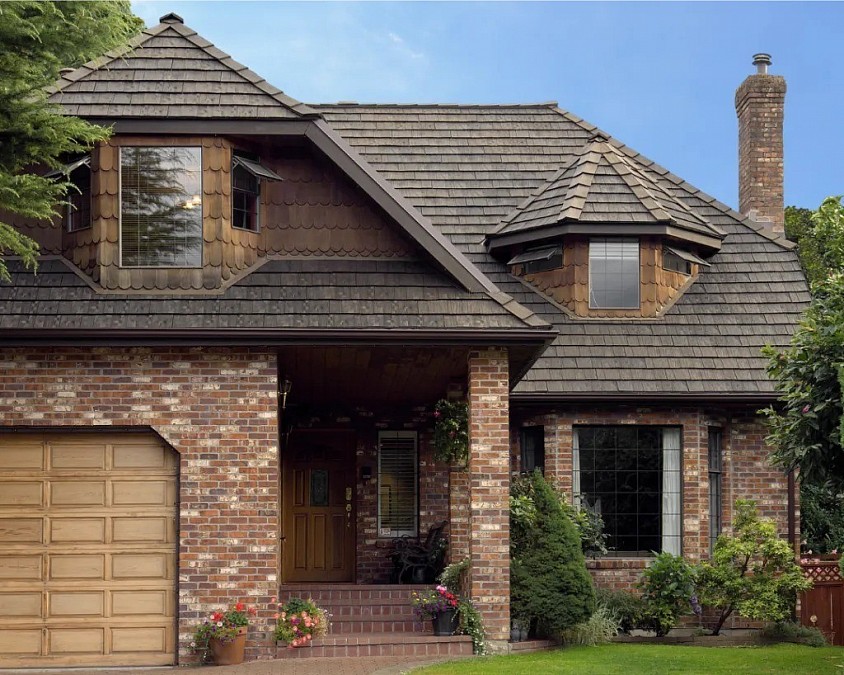
Homeowners have more choices than ever when it comes to roofing. Asphalt shingles remain popular for their blend of value and curb appeal, while metal panels offer durability and energy efficiency. Each option performs differently in various climates, roof pitches, and architectural styles. Before committing to a roof installation, weigh the lifespan, maintenance requirements, and compatibility with your home’s ventilation. A reputable roofing contractor can walk through samples, underlayment choices, and ridge vent options so the system performs as intended once the first storm rolls through.
Choosing a Trusted Roofing Company
The difference between a smooth project and a frustrating one often comes down to the team on the ladder. Look for a roofing company that maintains proper licensing and insurance, provides detailed written scopes, and explains how they’ll protect landscaping and clean up the jobsite. Skilled roofing contractors will outline start-to-finish steps, from tear-off and deck inspection to flashing details and final walkthroughs. Communication matters: a clear timeline and a single point of contact help keep expectations in sync.
Why Installation Practices Matter More Than Materials
Top-tier shingles or panels can underperform if installed without best practices. Proper nailing patterns, straight courses, and correctly lapped underlayment guard against wind uplift and water intrusion. Flashing is another make-or-break detail; it should be integrated with siding, chimneys, and penetrations to shed water rather than trap it. During roof installation, ventilation plays a key role in keeping attics drier, which supports shingle longevity and helps stabilize indoor temperatures throughout the year.
A Homeowner’s Checklist for Vetting Roofing Contractors
A little homework goes a long way. When neighbors search for roofing near me, they tend to compare track records, warranties, and responsiveness. Use the list below to speed up that process and feel confident about who’s working overhead.
1) Verify credentials: Confirm insurance coverage and any required local licensing, and request documentation before signing.
2) Review project scope: Ask for a written proposal that specifies materials, underlayment, flashing plans, ventilation, and debris handling.
3) Ask about crew oversight: Determine who supervises the crew on-site and how daily progress is reported.
4) Evaluate communication: Expect prompt replies, straightforward explanations, and realistic scheduling.
5) Confirm cleanup and protection: Discuss lawn and garden protection, magnetic nail sweeps, and disposal methods in advance.
6) Clarify warranty terms: Understand both manufacturer and workmanship coverage, what’s included, and how to make a claim.
7) Request references and photos: Look for recent, local projects that reflect similar styles or challenges to your home.